


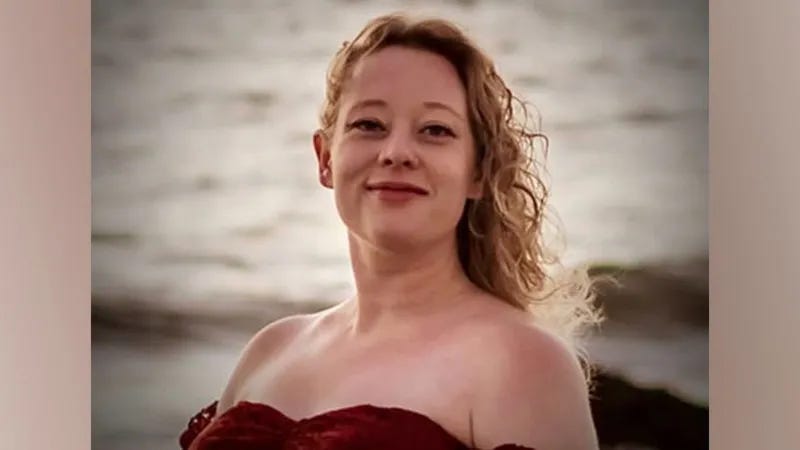
In a deeply troubling incident, the life of Renee Good, a mother and wife, was cut short by federal law enforcement in Minnesota. As her death echoes through communities and raises urgent questions about accountability, we must confront what state violence truly looks like. This blog post delves into the grave implications of her story and the systemic issues surrounding police use of force.
The Reality of State Violence
Renee Good was more than just a headline; she was a human being with a life filled with love and responsibility. On a day that began like any other, she dropped her child off at school, only to encounter federal law enforcement on her way home. Tragically, she was shot and killed, and the aftermath unfolded with a familiar script that many have come to recognize.
Official statements emerged, filled with claims of threat and justifications for the use of deadly force.
The Call for Accountability
When state violence occurs, the expectation is often that the public will remain silent, trusting in a system that has historically protected its own. Holder points out that when the same authorities that authorize force are tasked with investigating themselves, accountability becomes an elusive goal. This creates a dangerous cycle where the burden of justification shifts onto the deceased, as if they must explain why they deserved to live.
In the case of Renee Good, witness accounts and emerging footage challenge the official narrative. Questions arise about the proportionality and necessity of the lethal force used against her. These inquiries do not label individuals as anti-law enforcement; instead, they reflect a fundamental belief in the sanctity of human life.
The community response has been one of anger and protest, fueled by a growing awareness that mere justifications are no longer acceptable. Justice, as Holder articulates, requires transparency, independent investigations, and real consequences for those who abuse power.
The Need for Change
Renee Good’s life and death should not be normalized or minimized. Her story serves as a poignant reminder that if the state has the power to take a life, it must also be held accountable for that action. The call for justice is not just about one individual; it is about ensuring that every life is valued and that no one is above scrutiny.
The tragic story of Renee Good highlights the urgent need for accountability in cases of state violence. As communities continue to grapple with these issues, it is crucial to demand transparency and real change within our systems of justice. The fight for justice is a fight for humanity itself, reminding us that every life matters and that we must hold those in power accountable.
Key Takeaways:
- Renee Good’s story underscores the reality of state violence and the need for accountability.
- The narrative surrounding police use of force often lacks transparency and integrity.
- Justice requires independent investigations and real consequences for abuse of power.
- Community anger reflects a demand for change and recognition of human dignity.
Tags: State Violence, Police Accountability, Justice Reform, Renee Good, Community Protests, Human Rights, Law Enforcement Transparency.